The Portfolio Chronicle
JAKARTA, 2024
Workflow Automation
The Automation Mandate
Built reporting and SOP systems that removed 12+ hours of weekly manual work.
Lead report
A cross-functional reporting cycle was spending too much time on repeated manual work. The fix was a structured reporting pipeline supported by clearer operating rules.
Challenge
Finance, sales, and operations were handling recurring reporting work through manual collection, repeat formatting, and fragile handoffs. The process worked, but it consumed too much time and depended too heavily on individual memory.
Intervention
I mapped the reporting path, rebuilt the recurring workbook logic in Excel, and documented the supporting SOPs so the workflow could run the same way every cycle instead of being rediscovered each week.
Outcome
The team removed roughly 12 hours of manual work from the weekly rhythm, reduced process ambiguity, and created a reporting structure that was easier to maintain across functions.
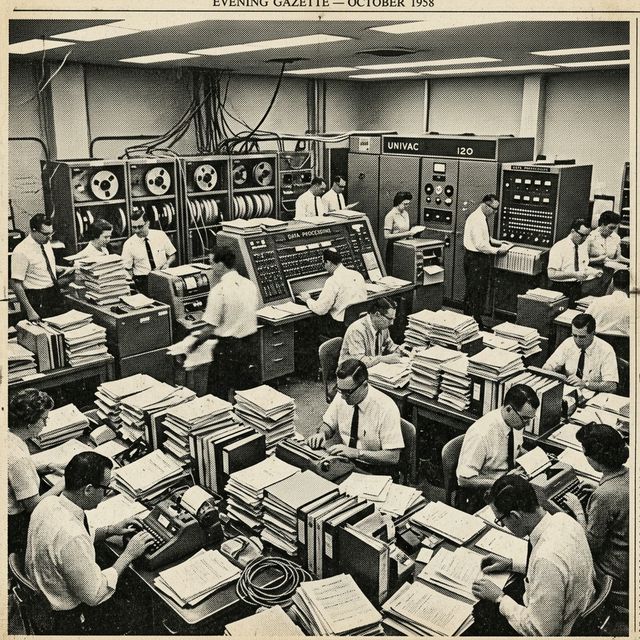
Reporting and automation case record used as the primary evidence image for the file.
Field notes
Case Context
The core issue was not a lack of effort. It was a lack of repeatable structure. Reporting relied on people remembering the right sequence and touching the same information too many times.
What I Built
I treated the workflow like an operational system, not just a spreadsheet. The solution combined workbook automation, clearer rules for ownership, and documented steps that made the reporting cycle easier to execute and easier to hand off.
Why It Mattered
The gain was not only time saved. The bigger shift was confidence. Teams had a cleaner rhythm, fewer avoidable delays, and a process that could be run more consistently week after week.
Recorded findings
- Built automated reporting systems in Excel that removed roughly 12 hours of manual weekly work.
- Standardized SOPs across finance, sales, and operations to reduce friction during recurring reporting cycles.
- Shifted the work from person-dependent repetition toward a shared operating routine.